





Using Spinago Promo Code No Deposit Wisely
A deposit-free starting deal sounds simple, but its value only becomes clear when you slow down and check activation steps, game access, balance rules, and timing. On Spinago, the better move in 2026 is not to chase the loudest headline. It is to ask whether the offer fits your budget, your routine, and the way you actually play.
Imagine you open the platform after work and want a short session before dinner. In that moment, a code-based entry reward can feel like the fastest path in. Usually, the smarter move is to pause for a minute, check the account menu, confirm how the reward works, and decide whether you want a trial run or a longer evening session.
What Players Notice First On Spinago In Australia
Most first impressions are practical. Players in Australia usually notice how fast the sign-up flow feels, whether the menu is clear, and how easy it is to move between the home screen, cashier, account area, and game categories. A platform can look polished and still feel tiring if every action needs extra clicks.
Spinago feels easier to evaluate when the early steps are predictable. You create the account, review the profile, and then decide whether to browse first or move into the lobby. That order matters because it helps you understand the environment before money decisions take over.
Picture a new player using a phone on a lunch break. They do not want to guess where support lives or where limit tools are hidden. They want the basics visible at once: account details, payment area, game search, and a clear way back to control settings if the session starts to drift.
Account Setup Without Rushing
The most practical sign-up habit is simple: fill in the form once, review it once, and only then continue. Many mistakes happen because players rush through country selection, currency choices, password creation, or contact details and only notice the issue when a later check interrupts the session.
If you are opening an account late at night, do what careful players often do - finish registration, review the profile page, and stop there for a moment. That short pause gives you room to check whether your details are correct and whether the platform feels comfortable before you move to rewards or payments.
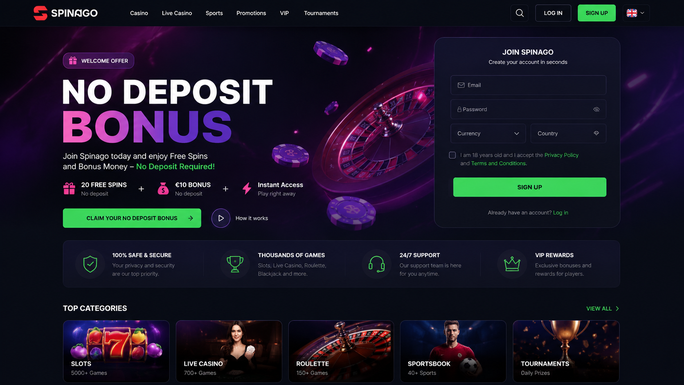
How The Bonus Journey Usually Feels From Sign-Up To First Session
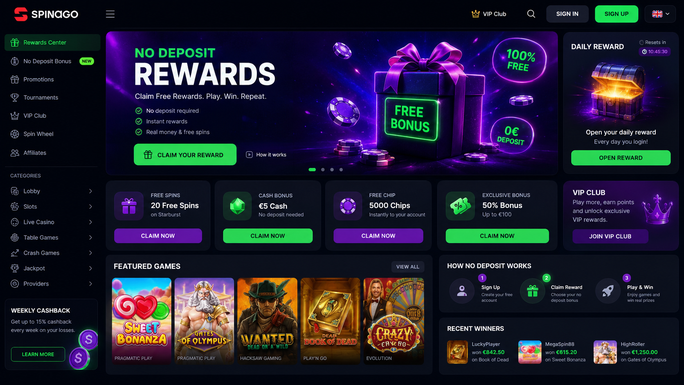
Welcome mechanics often look dramatic from the outside and much more procedural once you are inside the account area. In practice, players move through a sequence: create the profile, confirm the account, decide whether to use a starting offer, review the rules, choose a game category, and only then begin a session. The reward is only one part of that chain.
That is why experienced players rarely judge a platform by the headline alone. They look at what happens after activation. Can you see the balance clearly? Are eligible games easy to identify? Is the difference between real funds and promotional value understandable? A good experience is usually built on clarity, not noise.
Imagine you are comparing two offers in the same evening. One looks larger, but the rules around it feel vague. The other looks more modest, yet the path is clear from the start. Many players choose the second option because simple structure reduces friction and makes the first session easier to control.
What To Read Before You Accept Any Reward
Before you activate anything, focus on the operating details rather than the headline. Check which game categories are included, whether the offer needs a manual step, how long it stays available, and what may happen if you move away from the permitted route. Imagine starting a session on a weekend morning: a two-minute review at the beginning can save a much longer frustration later.
When A Small Start Is Better Than A Big Deposit
A modest first session is often more useful than a large first spend because it teaches you how the platform behaves under normal conditions. You see the cashier flow, the account controls, and the rhythm of the games without adding pressure. If you are testing the platform between errands, treat the first run as a checklist: one game category, one payment review, one look at support, then stop and evaluate.
Banking Habits, Limits, And Pacing
Payment decisions shape the whole session, yet players often treat them as an afterthought. On Spinago, the useful question is not only how to add funds or cash out. It is how to choose a method that matches your pace, your budget tracking habits, and the level of friction you actually want.
Imagine a player who wants fast action on Friday night and another who wants tighter discipline on Sunday morning. They may choose different paths for the same reason: control. One wants convenience, the other wants an extra pause before confirming the transaction. Good payment planning starts with that honest self-check.
Player Goal | Common Route | What To Check Before Confirming | Why It Can Fit |
|---|---|---|---|
Quick first session | Card or instant banking option | Account details, daily budget, confirmation screen | Fast start with familiar steps |
Tighter spending control | E-wallet or separate balance method | Available balance, transaction visibility, limits | Easier to track session costs |
Planned cash-out routine | Reverse path to the original funding method when possible | Verification status, account name match, timing expectations | Smoother account history and fewer surprises |
Mobile-only play | Phone-friendly payment flow | Screen layout, saved details, exit options | Better for shorter sessions on the move |
The table above is not about finding one perfect method forever. It is about choosing a route that matches the way you actually play. People who check the cashier with the same attention they give the game lobby usually make fewer impulsive decisions.
Another practical point is withdrawal rhythm. Many players only think about this after they win, which is too late. A calmer approach is to review the process before you play: check what information may be requested, whether your profile looks complete, and how you will separate playable funds from money you would rather move out immediately.
A Practical Way To Plan Spending
Set a session number before you enter the cashier, not after. Then decide what counts as a stop signal: reaching the budget, finishing a certain amount of time, or completing a short checklist. If you are opening the platform after a stressful day, this matters even more. Players who define the endpoint first usually leave with a clearer sense of control.
Games, Session Flow, And Mobile Use
A casino platform only feels usable when the move from one activity to another makes sense. You browse a category, open a title, return to the lobby, check your balance, and maybe switch devices later. If those actions feel awkward, even a strong library becomes tiring. Spinago in 2026 needs to be judged by that rhythm as much as by the games themselves.
Most players do not want to inspect every title. They want to find a small number of options that fit the moment: quick reels for a short break, table-style play for a more deliberate session, or live interaction when they want a stronger sense of pace. A well-organized lobby supports those moods instead of forcing everyone through the same path.
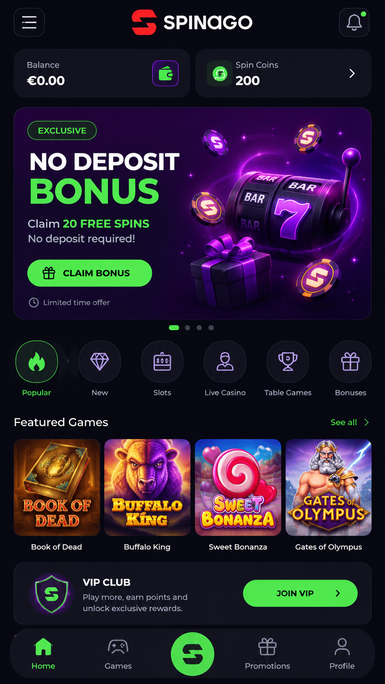
Imagine commuting home and opening the platform on your phone. You do not need every category at once. You need search, filters, readable buttons, and a clear route back to the cashier or support. Mobile comfort is less about style and more about whether each action feels secure on a smaller screen.
Picking A Format That Matches Your Budget
Game choice is really budget choice in disguise. Fast rounds can drain a session quickly if you enter them with no limit, while slower formats can make a smaller balance last longer simply because they force pauses between decisions. If you are unsure where to begin, start with the format that gives you the clearest feedback and observe how the balance moves before you switch styles.
Playing On The Move Without Losing Control
Mobile play works best when you shorten the session on purpose. Smaller screens encourage quicker taps and quicker decisions, which can make a routine feel faster than it really is. If you are using Spinago between meetings, on public transport, or while waiting for someone, treat that session as a light check-in rather than a full run. Players who do this usually notice fewer mistakes and feel less tempted to chase momentum.
What Support And Safety Tools Actually Change
Support is often judged only when something goes wrong, but it influences the whole experience long before that. Clear help channels, readable account notices, and visible safety tools reduce friction at exactly the moments when players are most likely to rush. A platform feels more trustworthy when help is easy to reach before frustration builds.
Consider a common scenario: you enter the cashier, pause, and suddenly realize you are not sure whether your profile details are complete. That is a support moment, even if no error appears on screen. The most useful platforms make it simple to check status, read the next step, and contact help without leaving you to guess.
Safety tools matter for the same reason. Deposit limits, session reminders, cooling-off breaks, and self-exclusion options are not decorative extras. They change how a player behaves in real time. Someone who sets a limit before the first transaction enters the session differently from someone who promises to stop later.
Timeout, Self-Exclusion, And Reality Checks
Imagine a player who planned a twenty-minute session and is still playing an hour later. This is where structured breaks matter. A timeout can create immediate distance, self-exclusion can protect a longer period, and reality checks can interrupt autopilot before it deepens. These tools are most effective when chosen calmly, not in the middle of frustration.
Usually, careful players activate at least one control during setup, even if they never expect to need it. That habit removes the pressure of making a good decision while emotional. The goal is not to make play complicated. The goal is to keep decision-making visible when speed and habit start to take over.