





Why The Spinago App Fits Mobile Play In Australia
Mobile play in 2026 is about speed and control. Adult users in Australia often want a format that opens fast, keeps the cashier close, and makes sign-in simple on a smaller screen.
Imagine you have ten free minutes before work. Most players do not want to zoom around a desktop page squeezed onto a phone. They want large buttons, readable text, and a short path from log-in to play.
A strong mobile setup does not need endless extras. It needs clear menus, steady performance, and quick access to account tools when a session starts or stops.
When Short Sessions Make More Sense Than Desktop
Short sessions are where a phone usually wins. If you are checking your balance, making a small deposit, and trying one title, mobile often feels more natural than opening a laptop.
Picture a commuter waiting for a train. Usually they want one or two clear options, not a huge catalog at once. That is why search, recent activity, and simple category tabs matter so much.
How Spinago App Download Steps Stay Simple
Setup should feel direct. In practice, users expect to open the mobile version, choose the install option if it appears, confirm the device prompt, and sign in without repeated confusion.
Think about switching to a new phone on a Friday night. Most people want the process done in minutes, then they test the cashier with a small amount and make sure account tools are easy to reach.
Creating An Account Without Friction
Registration works best when it asks only for what matters first - identity details, contact information, country, currency, and secure log-in data. Long forms on a phone create hesitation because one typo can slow everything down.
Imagine signing up from the sofa with one hand free. Usually players prefer large fields, visible password rules, and error messages that explain exactly what needs fixing.
After the form is complete, the next step should be obvious. Some users verify by code, some by email, and some through both. The method matters less than the clarity of the next action.
New players also tend to check practical things early. They look for spending controls, payment methods, and the account area before they settle into a first session. If those tools are buried, the start feels weaker.
Documents, Checks, And Small Mistakes To Avoid
Verification becomes important the moment a withdrawal depends on it. A smoother routine is to prepare early: use matching personal details, upload readable images, and avoid cropped pictures that hide edges or dates.
Consider a player who leaves checks for later. It feels easier at first, but problems often show up exactly when they want funds returned. Completing the document step early usually saves stress.
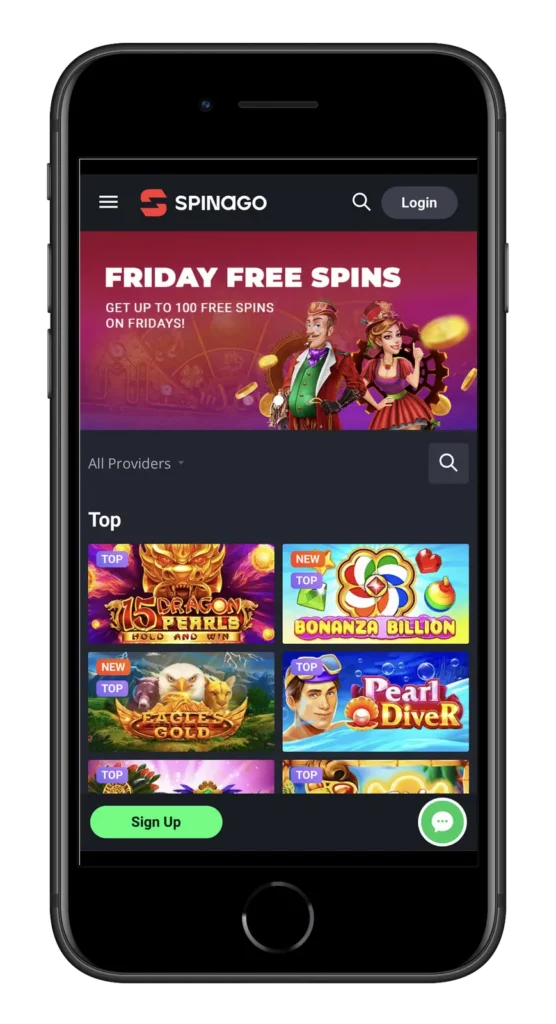
Using The Spinago App For Daily Sessions
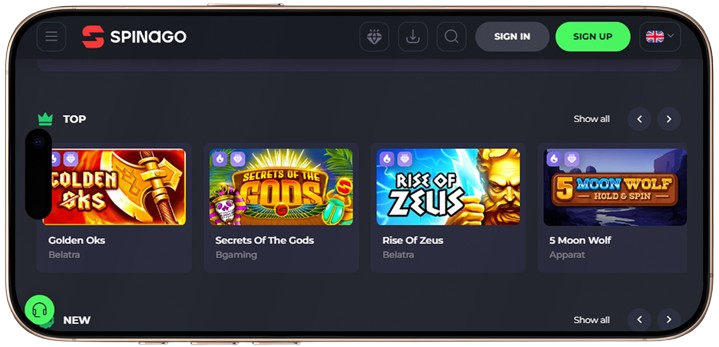
Daily use is about rhythm. Can you reopen a session quickly, find a recently played title, and review your account without digging through several menus? These details shape trust more than any big banner does.
Picture a player who returns a few times a week. Usually they open the platform, check the balance, scan recent activity, choose one category, and stop after a planned window. A strong mobile layout supports that routine.
There is also a comfort factor that players notice only after a week or two. When the account area, payment history, and support entry point stay in the same places, the whole experience starts to feel predictable. That predictability matters because it reduces rushed taps and helps users stay focused on what they actually planned to do.
What The Lobby Should Help You Do Faster
The lobby should reduce choice overload. Search, category filters, and a recent history line can make a major difference when time is limited.
Imagine opening the platform during lunch. You do not want to spend half the break hunting for yesterday's title. Most players rely on search first, then history, then broad categories.
Session Control On A Busy Day
Mobile sessions often happen around calls, messages, and weak public connections. Good design helps the player return without confusion by making balances, open games, and recent actions easy to review after a pause.
Think of someone answering the door mid-session. When they come back, they want quick clarity - what changed, what stayed pending, and whether any payment action went through. Checking history before continuing is often the safest habit.
Payments, Cashouts, And Mobile Habits
Payments on a phone should feel simple. Deposit, review, confirm, and move on. Adult users in Australia usually compare methods by convenience, not by marketing language.
Imagine a player making a small first deposit to test the flow. That is common. Usually they want to see whether the balance updates cleanly and whether the cashier stores a history that is easy to read later.
Withdrawals require more patience. Players normally care about verification, method eligibility, and whether pending requests can be tracked from the phone without starting a new support chat every time.
Before asking for funds back, many users also review limits and timing notes. That small step helps avoid the classic problem of sending a request before all checks are complete.
Mobile Task | What Players Usually Check First | Why It Matters |
|---|---|---|
First deposit | Minimum amount, confirmation screen, saved details | Helps test the cashier with lower risk |
Repeat deposit | Speed, stored method, balance refresh | Cuts down repeated data entry |
Withdrawal request | Verification status, eligible method, pending view | Reduces avoidable delays |
Transaction review | Date, amount, status labels | Makes support chats easier |
Limit adjustment | Daily cap, cooling-off effect, confirmation notice | Supports more controlled play |
Choosing A Method That Matches Your Routine
The best payment option is often the one that already fits your daily habits. Familiarity can reduce mistakes in the cashier, while some players prefer a separate method so entertainment spending stays easier to track.
Picture a user sitting down on payday with a fixed budget. Usually the smart move is to choose one method, keep the amount modest, and avoid switching channels during the same evening unless there is a real reason.
Safer Play Tools That Matter In 2026
Safer play tools are part of normal account use, not decoration. Deposit caps, session reminders, cooling-off breaks, and longer lockout options help players act on limits they already intended to keep.
Imagine you planned a short evening session but keep topping up because the phone is still in your hand. That is exactly when preset controls become useful. The best ones are chosen before the mood changes.
There is also a practical side to these tools. Clear transaction history, visible time spent, and accessible account settings help players make smaller corrections early instead of reacting after the session has already gone too far.
Limits, Timeouts, And Self-Exclusion In Practice
Limit tools work best when they are easy to find and hard to ignore. A daily cap can slow impulsive deposits. A short timeout can break an unproductive pattern. Longer exclusion settings are there when someone needs a firmer barrier.
Think of a player who notices repeated top-ups after midnight. Usually that is the point to stop, not negotiate. A practical mobile account shows those controls clearly and confirms when each restriction takes effect.
Why Verification Often Feels Easier On Phone
Phone cameras make this step easier for many users. They can take a clear image, upload it immediately, and keep copies stored securely on the same device in case support asks again later.
Imagine standing in natural light with documents ready. The best approach is simple: capture the image carefully once, check readability before upload, and save a clean copy for future use.
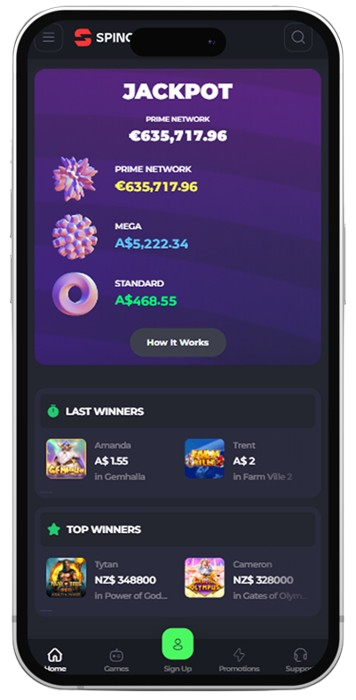
Support, Problem Solving, And Player Feedback
Support quality is judged when something small goes wrong - a missing balance update, a locked session, or a payment that stays pending longer than expected. Good mobile support means fast entry, clear categories, and a visible record of previous requests.
Picture a player checking a pending cashout the next morning. They do not want vague phrases. Usually they want a direct answer: is a document missing, is the method under review, or is the request simply waiting in line?
Player feedback can still be useful, but it works best when read carefully. One complaint might reflect a real issue, while another may come from a user who skipped checks or misunderstood a limit. Repeated patterns are more helpful than isolated emotion.
Another point that matters on mobile is response flow. If support asks for more details, the handoff should stay easy on a phone, with messages that are readable, short enough to scan, and clear about the next step. When that flow is smooth, even an annoying issue feels more manageable.
What To Prepare Before You Ask For Help
Before opening support, gather the details that save time: the time of the issue, payment amount if relevant, device type, and screenshots that show the full screen. This turns guesswork into problem solving.
Imagine sending a message that only says something broke. Usually that creates two or three extra questions. A better habit is to explain what you were doing, what step failed, and whether the balance or history changed afterward.